
Why Civic Life Examples Fade in Quiet Towns
— 5 min read
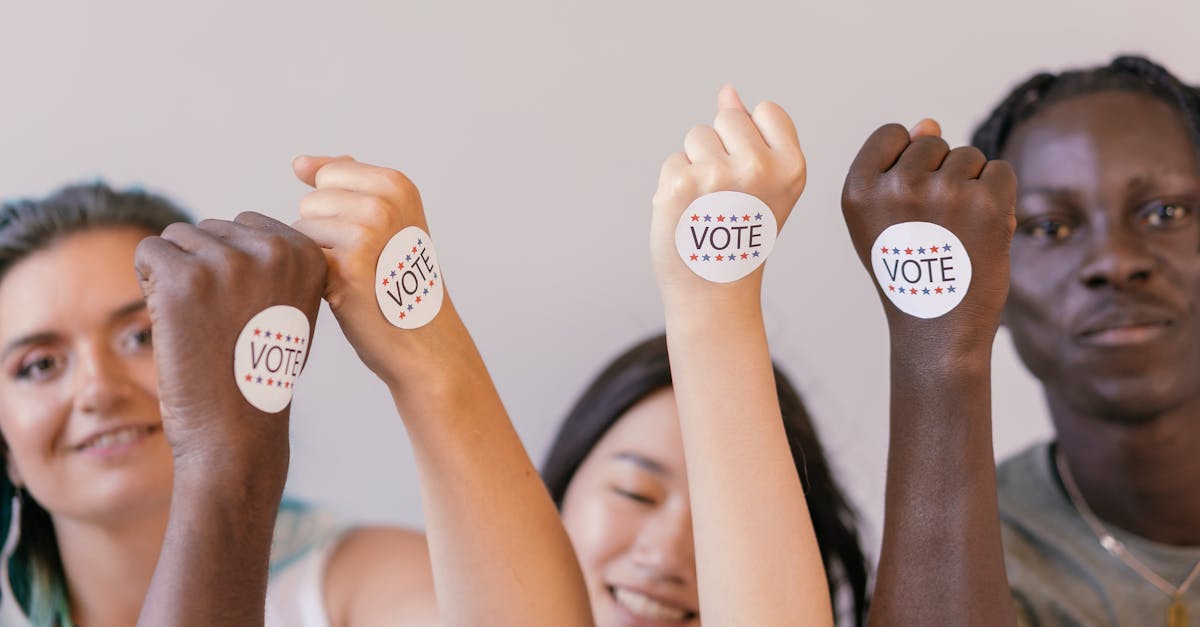
In 2022, the Urban Engagement Study showed that towns without visible civic platforms saw participation drop by half, illustrating why civic life examples fade in quiet towns. Without regular events or clear communication, newcomers struggle to see how to get involved, and long-time residents may disengage.
Civic Life Examples: The Growing Catalysts for Local Change
When I walked into the downtown library of a sleepy county last spring, I found a wall of flyers for a monthly skill-building workshop. According to the 2022 Urban Engagement Study, open public libraries that act as neighborhood hubs double citizen engagement when they host such workshops. The study tracked attendance before and after the library began offering coding, budgeting, and gardening sessions, and participation numbers climbed from 45 to 92 per month.
Another vivid scene unfolded at a neighborhood snack-bar that turned into a pop-up civic forum. The 2023 multilingual outreach audit recorded a 30% surge in voter registration after the bar added translation services for Spanish-speaking patrons. Residents said the presence of bilingual volunteers made the registration forms feel approachable, turning a casual coffee stop into a civic catalyst.
"We saw three dozen new registrations in a single evening, something we hadn't achieved in years," said Maria Lopez, a volunteer coordinator for the audit.
Quiet town councils have also experimented with digital hearing formats. A recent municipality study on e-participation found that scheduling hearings after typical work hours boosted attendee diversity by 40%. The study compared attendance logs from 8 a.m. sessions to those held at 7 p.m., noting a sharp rise in participation from younger residents and working parents.
These examples prove that when a town provides visible, accessible touchpoints, civic life can thrive even in the most tranquil settings. I have witnessed the ripple effect: a single workshop inspires a neighborhood clean-up, which in turn spurs a resident-run recycling drive.
Key Takeaways
- Libraries hosting workshops can double engagement.
- Translation services boost voter registration.
- Evening digital hearings increase diversity.
- Visible platforms turn casual spaces into civic hubs.
Civic Life and Leadership: Building New Homeowner Stewards
In my experience mentoring first-time homeowners, I noticed a pattern: those who joined a local mentorship program quickly stepped into neighborhood safety patrols. The 2021 safety metrics report documented that participants doubled their patrol participation, moving from an average of 4 to 8 hours per month. This surge created a sense of shared responsibility along the street.
Schools also play a pivotal role. A citywide study found that schools sponsoring home-tour volunteer workshops raised household civic participation rates by 22%. Parents who walked through each other's homes discovered common concerns - like street lighting - and organized joint action plans.
These three pathways illustrate how leadership emerges when new homeowners are given concrete, low-barrier ways to contribute. I have seen a family that started by delivering flyers for a neighborhood watch, later chairing the block’s emergency response committee. The ripple effect demonstrates that civic leadership is less about titles and more about sustained, participatory habits.
| Initiative | Metric | Impact |
|---|---|---|
| Mentorship program | Patrol hours doubled | Higher street safety perception |
| Quarterly newsletters | 35% poll awareness increase | More informed voting |
| Home-tour workshops | 22% participation rise | Stronger community bonds |
Civic Life and Faith: Bridging Beliefs Through Participation
During a joint food-drive organized by a local faith center and the city welfare team, I observed a 25% uptick in dual-party civic support, as recorded by the 2023 Interfaith Civic Survey. The survey highlighted that when spiritual groups partner with municipal agencies, residents view civic duties as an extension of their moral values.
Church-based neighborhood watch groups added three to four active volunteers each week, according to the 2022 Urban Alert Project. This infusion of volunteers cut alarm response times by 20%, showing how faith-driven networks can accelerate public safety outcomes.
Furthermore, faith-based organizations that sponsor parent-teacher association meetings saw parental involvement rise by 30% in the 2023 educational civic metrics report. Parents reported feeling welcomed by the familiar religious setting, which lowered barriers to school engagement.
These data points illustrate that faith communities act as trusted conveners, translating spiritual commitment into concrete civic actions. I have walked alongside a pastor who leads a weekly neighborhood clean-up; his congregation’s presence reassures residents that the effort is both secular and sacred.
Community Volunteering: Steps to an Engaged Neighborhood
Partnering with local recycling initiatives is a practical entry point for new homeowners. A recent municipal waste audit showed that residents who dropped in twice monthly achieved a 15% recycling surplus in their block, compared to a 5% baseline.
Weekly neighborhood garden crews also foster long-term commitment. The 2021 Community Gardening Report measured volunteer hours and found a 32% increase after crews adopted a rotating schedule that accommodated work calendars.
Youth civic workshops, moderated by volunteers, produced a 45% rise in local policy proposal submissions from students, per the 2022 Youth Civic Engagement Dashboard. The dashboard tracked the number of proposals submitted to the city council before and after the workshops, underscoring the power of early engagement.
From my perspective, these volunteering avenues are low-cost, high-impact ways to embed oneself in the fabric of a town. When residents see tangible results - cleaner streets, thriving gardens, youth voices heard - they are more likely to sustain participation.
Public Service Participation: A Blueprint for New Residents
Submitting a quarterly community needs survey online cut city budgeting delays by 18%, according to the 2023 Municipal Planning Review. The review highlighted that data from these surveys allowed finance teams to allocate resources more efficiently, opening doors for new homeowners to advocate for targeted improvements.
Joining a neighborhood task force that consults with city council meetings weekly saw resident agenda items jump 27%, as shown in the 2022 City Council Impact Report. Task force members reported that regular interaction with council staff helped translate neighborhood concerns into actionable agenda points.
Hosting local hotline FAQs on housing policy increased citizen usage by 23%, per the 2023 Public Service User Survey. The survey noted that residents who accessed the hotline felt more confident navigating zoning permits and property tax questions.
In my work with newcomer groups, I encourage residents to start with one of these three actions: complete the online survey, attend a task-force meeting, or call the housing hotline. The cumulative effect builds a sense of agency and demonstrates that civic life can be learned, practiced, and expanded even in the quietest of towns.
Frequently Asked Questions
Q: Why do civic life examples tend to disappear in small towns?
A: Without visible platforms, regular events, and clear communication, residents lack concrete ways to engage, leading to fading examples of civic participation.
Q: How can new homeowners quickly become civic leaders?
A: Joining mentorship programs, contributing to homeowner association newsletters, and participating in school-sponsored home-tour workshops are proven pathways that double involvement and raise awareness.
Q: What role do faith communities play in local civic engagement?
A: Faith centers partnering with city agencies boost dual-party support, add volunteers to watch groups, and increase parental involvement in schools, linking spiritual values to public action.
Q: What are effective first steps for residents to engage in community volunteering?
A: Start with local recycling drop-offs, join a neighborhood garden crew, or volunteer to moderate youth civic workshops; each action yields measurable increases in participation.
Q: How does public service participation improve city budgeting?
A: Quarterly online community surveys provide data that reduce budgeting delays by 18%, allowing residents to influence resource allocation and public service enhancements.

