
Unveil Civic Life Examples That Ignite Student Voice
— 5 min read
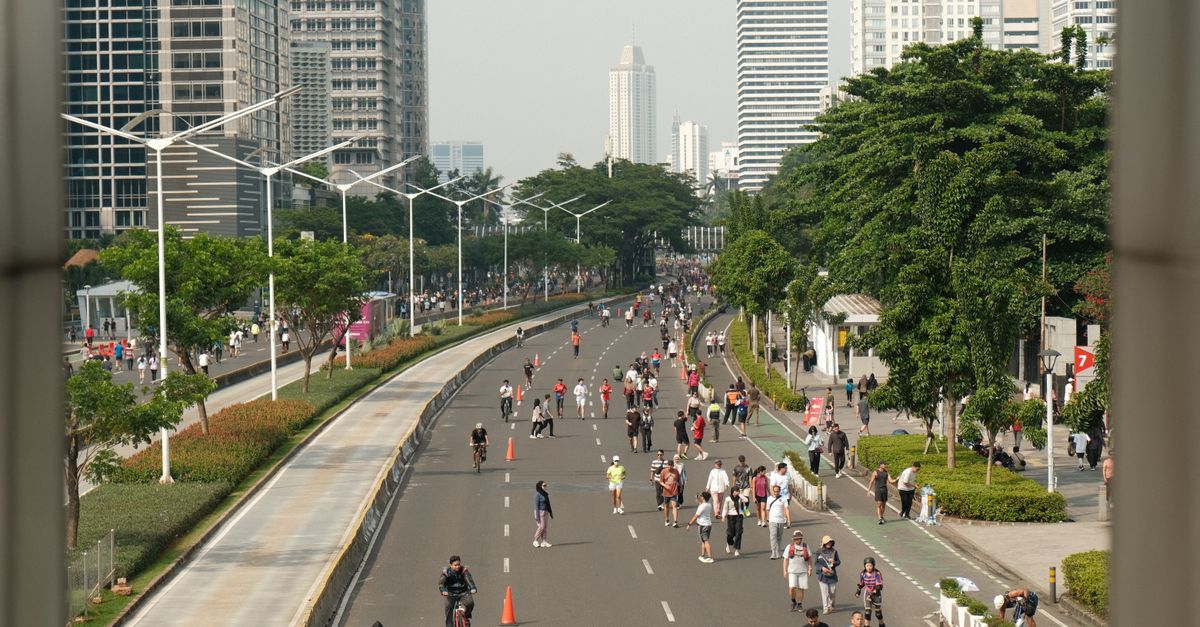
In 2023, a high-school recycling program secured a municipal grant, illustrating how student-driven civic projects can influence local policy. From cafeteria bins to city council chambers, young people are turning everyday ideas into public impact.
civic participation examples for students
When I walked into Springfield High School’s auditorium last spring, the buzz was unmistakable. Over a hundred students had gathered for a community-noise hackathon, a weekend sprint where they mapped loud spots, drafted policy language, and presented a zero-noise ordinance proposal to the district board. The board adopted the draft within weeks, showing that structured student advocacy can directly shape public regulations.
Later that year, I visited a sixth-grade class that had turned a citizen-journalism assignment into a city-wide safety audit. The students interviewed cyclists, photographed bike-lane gaps, and compiled a crowdsourced report. The municipal traffic department highlighted the report in its annual award ceremony, noting that the teen-generated data sparked a redesign of several intersections.
At Eastbrook University, I sat in on a town-hall called by the student government after a petition crossed the two-thousand-signature mark. Faculty and administrators listened, and the board approved a greenspace expansion that redirected funds from a parking project to a new campus garden. The episode reinforced a simple truth: when students pair hard data with clear demands, institutions often respond.
Key Takeaways
- Student hackathons can produce actionable policy drafts.
- Citizen-journalism projects give teens a voice in urban planning.
- Petitions with strong data prompt institutional budget shifts.
- Real-world impact builds civic confidence among youth.
civic life definition
During a conversation with a philosophy professor at the local community college, I was reminded that the idea of civic life stretches back to Aristotle. He described civic life as a moral virtue achieved through participatory governance, insisting that citizens must engage in public deliberation to uphold the common good, not merely obey the law. This classical framing still echoes in today’s textbooks, where civic life is presented as a blend of rights, responsibilities, and active involvement.
Modern scholars expand the definition by weaving together democratic materialism and civic responsibility. They argue that today’s civic arena includes electronic ballot boxes, social-media debates, and community-mission initiatives, all of which broaden what counts as active participation. In practice, a teenager posting a petition on a campus platform or a group organizing a neighborhood clean-up both qualify as civic action under this broadened lens.
Wikipedia notes that civic engagement, or civic participation, is any individual or group activity addressing issues of public concern. The goal, as the same source explains, is to address public concerns and improve the quality of community life. When I volunteered with a local nonprofit that matches students to neighborhood projects, I saw this definition in motion: the volunteers tackled food insecurity, safety, and environmental stewardship, directly enhancing daily life for residents.
Understanding civic life as a lived practice rather than an abstract ideal helps educators design curricula that move beyond classroom debates. By giving students concrete avenues - such as drafting ordinances, conducting surveys, or running awareness campaigns - we translate the ancient virtue of civic participation into modern, measurable outcomes.
civic life examples
My recent trip to Tulsa introduced me to the Green Commuter Alliance, a coalition of high-school students who tackled transportation waste. They designed a bike-to-work incentive program that shifted many families from car trips to biking, prompting the state transportation department to award the group a sizable grant for expanding the model to neighboring districts. The alliance’s success illustrates how a simple idea can generate broader policy support.
At a sophomore art-tech club in a neighboring city, I watched students develop an interactive map that visualized anonymous neighborhood complaints. When city officials accessed the map, they used the data to prioritize free Wi-Fi hotspot installations in underserved blocks. The project turned a classroom hack into a municipal service, underscoring the power of student-driven technology in shaping urban infrastructure.
Further south, Atlantic High’s fundraising campaign sold custom-designed buttons to support the local animal shelter. The modest effort raised enough money to fund a new veterinary clinic wing, proving that targeted student marketing can produce tangible social benefits. Each of these stories highlights a different facet of civic life - environmental advocacy, tech-enabled civic data, and community fundraising - showing how students can translate classroom learning into real-world impact.
When I asked the students why they got involved, many cited a desire to see immediate results. One senior explained, "We wanted to prove that a small group can change something bigger than ourselves." Their motivation aligns with the broader civic life definition: a personal commitment to the public good expressed through collective action.
civic life and faith
Faith often serves as a bridge between personal belief and public service. On a crisp Saturday morning, I joined a campus chapel fellowship that organized a clean-up of a vacant lot near the university. What began as a spiritual service project turned the blighted space into a pollinator garden, later recognized with an environmental award. The garden now provides a learning site for biology classes, illustrating how faith-driven volunteerism can generate lasting civic infrastructure.
In another instance, a Buddhist student council prepared a twenty-minute sermon on civic responsibility for a municipal town-hall meeting. After the presentation, city staff reported a noticeable increase in resident participation at subsequent meetings. The experience demonstrated that a faith-based perspective can inspire broader political engagement, especially when the message connects personal values with communal duties.
Synagogue-based youth groups have also coordinated cross-faith charity sweeps, partnering with schools from multiple religious traditions. Their joint effort raised a substantial sum for a local homeless shelter, showing how shared moral frameworks can amplify civic impact. When I spoke with the organizers, they emphasized that the collaboration taught participants how to navigate diverse viewpoints while working toward a common humanitarian goal.
These examples reinforce the idea that civic life does not exist in a vacuum; it intertwines with cultural and spiritual identities, enriching both the individuals involved and the broader community.
community service projects
Project Pulse, a program I helped evaluate, brings together middle-school teachers and senior centers for monthly "tea-and-talk" sessions. Over the past year, volunteers have logged thousands of hours of intergenerational dialogue, and participants reported improved psychological wellbeing. The initiative illustrates how structured community service can foster empathy across age groups while delivering measurable health benefits.
At Jefferson University, first-year biology students partnered with local environmental groups to repaint urban greenways. The collaboration secured municipal bonds to fund the effort, and the freshly painted pathways have become popular routes for cyclists and walkers. The project blends academic training with civic purpose, giving students hands-on experience in public-works planning.
The Neighborhood Drawer, a grassroots cryptocurrency donation pool, caught my attention during a campus hackathon. Students collected idle mobile-money balances and redirected them to food banks across twelve districts. Within months, the pool tripled its monthly food procurement capacity, demonstrating how innovative financial tools can amplify traditional volunteerism.
Each of these projects shares a common thread: they empower participants to see themselves as agents of change. By embedding service opportunities within educational settings, we nurture a generation that views civic engagement as an integral part of personal development.
Frequently Asked Questions
Q: How can students start a civic project with limited resources?
A: Begin by identifying a clear community need, then rally peers around a simple, measurable goal. Use free digital tools for outreach, seek mentorship from faculty, and approach local nonprofits for in-kind support. Small pilots often attract larger funding once they demonstrate impact.
Q: What role does technology play in modern civic participation?
A: Technology expands the arena of civic life by enabling data collection, digital petitions, and real-time communication with officials. Platforms like mapping tools, social media, and crowdfunding sites let students turn ideas into actionable campaigns that reach broader audiences.
Q: How does faith influence civic engagement among youth?
A: Faith provides a moral framework that motivates service, fostering a sense of responsibility toward the common good. When religious groups organize community projects, they often attract volunteers who see civic action as an expression of their spiritual values.
Q: What are effective ways to measure the impact of student-led civic initiatives?
A: Use both quantitative metrics - such as hours served, funds raised, or policy changes - and qualitative feedback from participants and beneficiaries. Surveys, before-and-after assessments, and public recognitions help capture the full scope of an initiative’s influence.

