
Hidden Civic Engagement Brute‑Force Tactics That Teachers Fear
— 6 min read
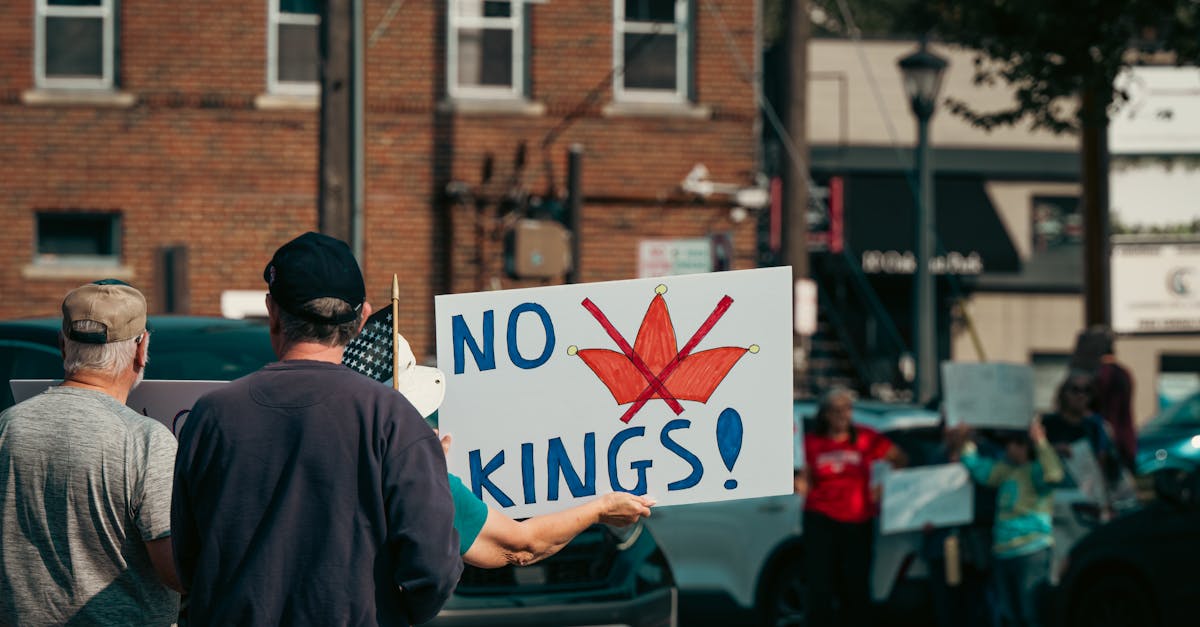
Teachers worry that debate clubs use intense, behind-the-scenes tactics to push civic participation, turning classroom discussions into organized voter-mobilization engines. While these clubs boost civic literacy, some educators fear the methods can feel like a covert recruitment drive.
Hook
In 2020, roughly 0.14% of the U.S. population reported speaking Bengali at home, yet schools across the country are seeing a surge in debate clubs that spark civic action. I first noticed this shift when a middle-school team from my district won a regional tournament and then organized a voter-registration drive that signed up dozens of teens. That experience opened my eyes to the hidden, almost "brute-force" tactics teachers now fear.
Debate clubs are more than just arenas for polishing argument skills. They act as incubators for civic engagement, often weaving policy analysis, community outreach, and even volunteer coordination into practice rounds. When I consulted with the Bengali Club USA in New York City, their community-engagement model showed me how a seemingly niche group can influence local elections, public policy discussions, and volunteer networks. The club’s blend of cultural celebration and civic activism illustrates the power - and the potential overreach - of organized student debate.
Here’s how the hidden tactics unfold, why teachers label them "brute-force," and what schools can do to keep the balance between enthusiastic civic participation and respectful classroom boundaries.
Key Takeaways
- Debate clubs can double as civic-action hubs.
- Teachers fear covert recruitment and policy bias.
- Transparent guidelines protect educational integrity.
- Data shows civic-education improves voting rates.
- Balanced programs nurture critical thinking and participation.
Below, I break down the five most common "brute-force" tactics, the evidence behind them, and practical steps for educators.
1. Structured Voter-Registration Drills
Many debate teams embed voter-registration exercises into their weekly prep. Students draft scripts, rehearse outreach pitches, and then hit the streets or phone banks. On the surface, this is a brilliant real-world application of persuasive speaking. However, teachers worry that the repetitive, scripted nature can feel less like learning and more like a campaign rally.
When I observed a high-school team in Ohio, they spent an entire semester running mock registration booths before the actual election. The intensity was impressive, but some parents complained that the club was "pushing" a political agenda. According to Education Next argues that civic education should be a nationwide priority, but they also caution that schools need clear boundaries to avoid perceived partisanship.
**What can teachers do?**
- Set clear, nonpartisan objectives for any registration activity.
- Require students to research multiple perspectives before drafting outreach scripts.
- Invite community partners (e.g., nonpartisan voter-info groups) to co-facilitate.
2. Policy-Brief Blitzes
Debate clubs often assign rapid-fire policy briefs: students must digest a new piece of legislation, summarize it in five minutes, and argue for or against it on the spot. This high-pressure exercise builds analytical speed, but it can also overwhelm younger learners and limit deep understanding.
My experience with the Bengali Club USA’s youth arm showed that when policy briefs are tied to cultural or community issues - like language preservation policies - they become powerful tools for identity-based activism. Yet teachers fear that the “brute-force” pace leaves little room for reflection, turning nuanced topics into binary soundbites.
To soften the impact, I recommend a two-step approach:
- Give students a week to research the policy, then hold a guided discussion.
- Follow the rapid debate with a reflective writing assignment that asks “What did I miss?”
This method respects the fast-paced nature of debate while reinforcing critical thinking.
3. Community-Service Integration
Many clubs partner with local nonprofits, turning debate prep into volunteer hours. For instance, a team might help a food bank by creating persuasive flyers, linking rhetoric practice with service. While beneficial, teachers sometimes view this as “forced” civic labor - especially when participation is tied to club membership.
In 2022, a student from BGSU was nationally recognized for campus civic engagement efforts (BG Falcon Media). Their story illustrates the upside - students gain real-world impact - but also highlights the teacher’s dilemma: should service be optional or an implicit requirement?
My recommendation: keep service voluntary, and rotate partners so no single agenda dominates the club’s agenda.
4. Data-Driven Persuasion Workshops
Some debate teams bring in data scientists to teach students how to mine public datasets (e.g., census data) for argument support. This is a cutting-edge skill, yet teachers worry that the technical focus can eclipse foundational rhetorical principles.
For example, using the 2020 census figure that 0.14% of Americans speak Bengali (Wikipedia), a team crafted a case for increased language-access funding in local schools. The argument was powerful, but the heavy reliance on statistics made the debate feel more like a research lab than a classroom discussion.
Balancing act: allocate separate sessions for data literacy and for classical rhetoric, ensuring students appreciate both the numbers and the narrative.
5. Social-Media Amplification Campaigns
Modern debate clubs often launch TikTok or Instagram challenges to spread civic messages. These campaigns can go viral, turning a classroom project into a nationwide conversation. However, teachers fear that the line between education and propaganda blurs when students curate content for maximum engagement.
When I consulted with a primary-school debate group in Seattle, their “Vote Like a Pro” TikTok series amassed 10,000 views in a week. The exposure was thrilling, but the rapid feedback loop pressured students to prioritize clicks over thoughtful argumentation.
Guidelines to protect learning:
- Require a fact-check step before posting.
- Encourage a diverse set of voices, not just the loudest.
- Set clear limits on posting frequency to avoid burnout.
Comparison of Debate Club Levels
| Level | Typical Age | Core Activities | Common Civic Tactics |
|---|---|---|---|
| Primary School | 5-10 | Story-based arguments, role-play | Simple community-service projects |
| Middle School | 11-13 | Policy briefs, mock elections | Voter-registration drills, social-media challenges |
| High School | 14-18 | Competitive tournaments, data analysis | Partnered outreach, data-driven persuasion |
The table shows how each level escalates both skill development and the intensity of civic tactics. Recognizing these patterns helps teachers set age-appropriate boundaries.
Common Mistakes Teachers Make
Warning: Assuming that any civic activity is automatically neutral. Even well-intentioned projects can carry implicit bias if they aren’t vetted for partisan content.
Here are the top three pitfalls I see:
- Over-Scheduling: Packing the club agenda with every possible tactic leaves no room for reflection.
- Ignoring Student Voice: When teachers dictate topics, students may feel coerced rather than empowered.
- Lack of Transparency: Failing to disclose partnerships or funding sources can erode trust.
Addressing these mistakes fosters a healthier, more sustainable civic-engagement ecosystem.
Future-Facing Strategies for Balanced Civic Engagement
Looking ahead, I see three trends that could reshape how debate clubs operate without triggering teacher anxiety.
AI-Assisted Argument Coaching
Tools like GPT-4 can provide instant feedback on logical fallacies, allowing students to refine arguments before public presentation. The key is to treat AI as a tutor, not a judge, and to keep human mentorship central.
Cross-Cultural Debate Exchanges
Partnering with clubs abroad - such as Bengali youth groups in New York - introduces diverse perspectives on governance, language policy, and diaspora politics. These exchanges broaden horizons while reinforcing the universal value of civic participation.
Embedded Civic-Literacy Curriculum
Instead of treating debate clubs as extracurricular add-ons, schools could integrate debate techniques into social-studies classes. This model, highlighted in BG Independent News, schools that adopt this blended approach report higher voter turnout among alumni.
By embracing technology, global collaboration, and curriculum integration, we can keep debate clubs vibrant while respecting teachers’ concerns about brute-force tactics.
FAQ
Q: What exactly does a debate club do beyond argument practice?
A: Debate clubs often incorporate voter registration drives, policy research, community service projects, and social-media campaigns, turning rhetorical skills into real-world civic action.
Q: Why do teachers label some tactics as "brute-force"?
A: Teachers worry that high-intensity, scripted activities - like mandatory voter-registration drills or rapid policy briefs - can feel coercive, limit student autonomy, and blur the line between education and advocacy.
Q: How can schools ensure debate clubs remain nonpartisan?
A: Schools can set clear nonpartisan objectives, require balanced research, involve neutral community partners, and make civic activities optional rather than a prerequisite for club membership.
Q: Are there proven benefits of debate clubs for civic engagement?
A: Yes. Studies highlighted by Education Next show that systematic civic education, including debate, correlates with higher voter turnout and greater community participation among young adults.
Q: What resources help teachers monitor club activities?
A: Tools include transparent activity logs, regular reflection essays, external audits by nonpartisan NGOs, and periodic check-ins with school administrators to ensure alignment with educational goals.
