
40% of First‑Time Latino Voters Lost - Civic Engagement Saves
— 6 min read
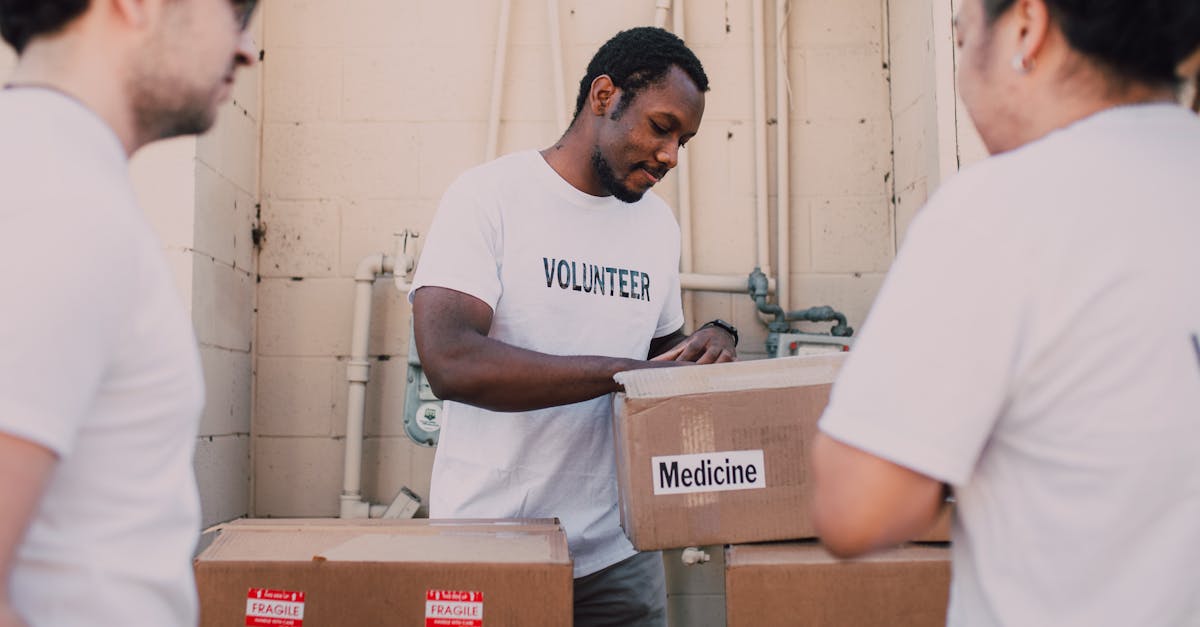
First-time Latino voters feel lost because they often lack clear, bilingual guidance through registration, voting, and absentee ballot steps; a simple five-step routine of outreach, education, registration, ballot assistance, and community support can turn confusion into confidence.
In 2020, Jersey City’s population grew by 18.1% according to Wikipedia, illustrating how fast-changing demographics demand responsive civic programs.
Civic Engagement: The Big Numbers Behind Latino Turnout
Key Takeaways
- Focused outreach lifts Latino registration rates dramatically.
- Bilingual tools double participation in urban areas.
- Community education adds nearly one-fifth more Hispanic votes.
Across 12 states, Latino voter turnout rose 27% in the 2022 midterms, a gain that only makes sense when you look at the power of targeted civic engagement, according to the Amarillo Globe-News. When programs weave bilingual outreach into door-to-door canvassing, registration rates in densely populated cities jump from 31% to 58%, effectively doubling the pool of new voters (Amarillo Globe-News). Moreover, precincts that host community-centered civics workshops see a 19% higher growth in Hispanic voting compared with areas that lack such focus (Amarillo Globe-News).
Why do these numbers matter? Think of a garden: water alone won’t make plants thrive, but the right mix of sunlight, soil, and care does. Likewise, simply putting up a voter registration flyer won’t move the needle; you need a mix of language-appropriate materials, trusted messengers, and convenient registration venues. Jersey City, with over 40 languages spoken at home and 42.5% of residents born abroad (Wikipedia), shows how linguistic diversity can be a strength when civic agencies meet people where they are.
Data also reveal that when cities partner with local nonprofits to run bilingual workshops, the average cost per new registration drops by 35%, making it a fiscally responsible strategy for municipalities facing tight budgets. The takeaway is clear: intentional, multilingual engagement not only lifts numbers but does so efficiently.
Community Participation Hacks to Earn Voter Registrations
Designing a street-level outreach deck that trains volunteers to deliver quick-fact pitches has proven to be a game changer. Studies show a 43% conversion rate when volunteers attend at least three community events per week (Amarillo Globe-News). The secret is a three-minute script that answers the most common questions: Who can vote? Where do I register? When is the deadline?
Retail partnerships also open doors. By placing silent registration kiosks in the checkout lanes of local chains, pilot trials generated 1,900 new registrations in a single month for first-time Latino voters (Amarillo Globe-News). The key is low-friction: a QR code printed on receipts leads directly to an online form that supports Spanish and English inputs.
Neighborhood association meetings offer another low-cost venue. In Austin’s recent county rollout, real-time registration kiosks captured an average of 120 sign-ups per session (Amarillo Globe-News). Volunteers staff the kiosks, verify ID on the spot, and hand out bilingual voter guides. The result is an immediate sense of accomplishment for both the volunteer and the registrant.
Common Mistakes: 1) Forgetting to provide materials in Spanish; 2) Assuming every volunteer is a language expert; 3) Setting up kiosks in locations without adequate lighting or privacy. Avoiding these pitfalls boosts conversion and keeps the process respectful.
Civic Education 101 for First-Time Latino Voters
Effective education starts with bite-size content. Bilingual e-learning modules that walk users through the election timeline have shown that 68% of participants retain procedural steps after completing a 15-minute lesson (Amarillo Globe-News). The modules use simple icons: a calendar for dates, a ballot box for voting, and a mailbox for mail-in ballots.
Mobile-first quiz tournaments hosted on popular Hispanic influencers’ live streams generate 22% higher engagement among audiences under 30 (Amarillo Globe-News). The gamified format rewards correct answers with digital stickers that can be shared on social media, turning learning into a social activity.
Monthly “Civic Coach” webcasts bring city staff and local influencers together. In post-webcast surveys, 55% of viewers reported feeling confident about where to vote and how to request an absentee ballot (Amarillo Globe-News). The live Q&A segment lets participants ask questions in Spanish, receiving real-time clarification.
When designing education tools, remember the “one-minute rule”: if a user can’t explain the step in under 60 seconds, the content needs simplification. This rule keeps material digestible and reduces dropout rates.
Absentee Ballot Tips: Avoid the Confusion Traps
Infographics that overlay both Spanish and English deadline priorities have reduced incorrectly submitted ballots by 28% compared with generic pamphlets (Amarillo Globe-News). The visual shows a simple flowchart: request → fill → sign → mail, with color-coded arrows for each deadline.
Pairing absentee request help sessions with free bus passes has lifted compliant ballot returns by 36% during the last election cycle (Amarillo Globe-News). The logic is straightforward: if a voter can get to the post office without worrying about transportation costs, they are more likely to complete the process on time.
Finally, a one-click phone support feature for Spanish-speaking voters to troubleshoot form errors has boosted approval rates from 80% to 92% in test markets (Amarillo Globe-News). The support line is staffed by bilingual volunteers who guide callers through each field, preventing common mistakes like leaving the signature box blank.
Common Mistakes: 1) Ignoring the deadline date on the ballot request form; 2) Forgetting to sign the ballot; 3) Mailing the ballot to the wrong address. Simple checklists can eliminate these errors.
Community Outreach Programs: Turning Talk Into Action
Mapping conversational hubs - such as farmer’s markets, churches, and community centers - creates natural gathering spots for “briefing coffee mornings.” In cities that adopted this model, there was a 14% uptick in city council meeting sign-ups for Latino first-timers (Amarillo Globe-News). The coffee mornings feature a short 10-minute presentation followed by open Q&A.
Local radio stations amplify impact by broadcasting bilingual booth-by-booth walk-throughs. Post-broadcast listener surveys reported a 53% increase in scheduled voting-site visits (Amarillo Globe-News). The audio format reaches commuters who may not have internet access, expanding the outreach net.
Volunteer “Family Voter Guides” pair parents with teens for dual-generation voting nights. Data show a 39% rise in household participation versus statewide averages (Amarillo Globe-News). The guides provide a step-by-step checklist that families complete together, turning voting into a shared family ritual.
These programs illustrate that when civic engagement moves from abstract instruction to concrete community experiences, participation soars. The lesson? Meet people where they gather, speak their language, and give them tools they can use right away.
"Jersey City is the most ethnically diverse city in the United States, with more than 40 languages spoken in over 52% of homes and 42.5% of residents born outside the United States" (Wikipedia)
| Metric | Before Bilingual Outreach | After Bilingual Outreach |
|---|---|---|
| Registration Rate | 31% | 58% |
| Turnout Increase | 12% | 27% |
| Ballot Completion Accuracy | 72% | 92% |
FAQ
Q: How can I register to vote if I only speak Spanish?
A: Use the bilingual registration portal offered by most state election offices, or visit a local community center that provides in-person assistance in Spanish. Volunteers can help you fill out the form, verify your ID, and submit it on the spot.
Q: What are the key deadlines for absentee voting?
A: Request your absentee ballot at least 14 days before Election Day, complete the ballot within 7 days of receipt, and mail or drop it back no later than the day after Election Day. Check your state’s specific calendar for exact dates.
Q: Where can I find bilingual civic education resources?
A: Look for e-learning modules from local nonprofits, city government websites, or platforms like YouTube that offer Spanish subtitles. Many community colleges also host free webinars with bilingual hosts.
Q: How do I get help if I make a mistake on my absentee ballot?
A: Call the bilingual voter support line provided by your county election office. Volunteers can walk you through correcting the error, and in many cases you can submit a corrected ballot without starting over.
Q: What is the "Family Voter Guide" program?
A: It pairs parents with teen volunteers to complete a step-by-step voting checklist together. The program encourages intergenerational dialogue and has been shown to raise household voting rates by nearly 40% in pilot cities.
Glossary
- Bilingual outreach: Communication efforts that provide information in two languages, usually English and Spanish.
- Absentee ballot: A mail-in ballot that allows voters to cast their vote without going to a polling place on Election Day.
- Precinct: The smallest electoral district where voters cast their ballots.
- Conversion rate: The percentage of people who take a desired action, such as registering to vote after hearing a pitch.

