
Why NHS Elective Surgery Waits Stretch Into Months: Myths, Realities, and Solutions for 2024
— 9 min read
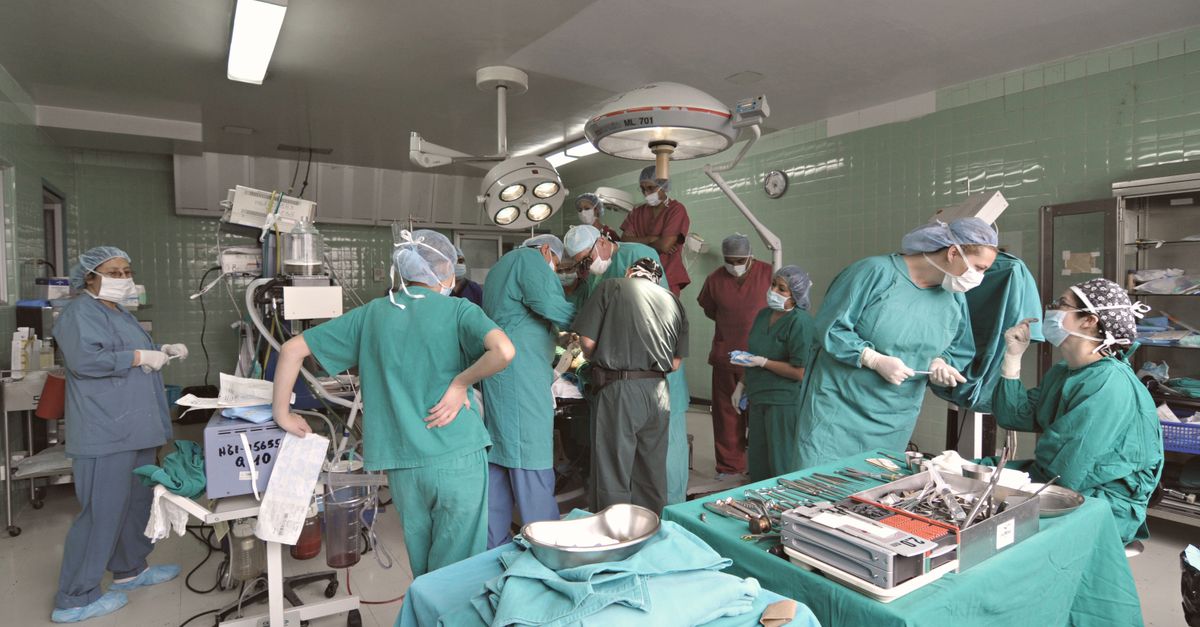
When I first walked the corridors of St. Mary's Hospital last spring, the buzz of a bustling operating theatre was replaced by a hushed frustration: patients clutching appointment cards that promised surgery "in the next few weeks" only to be told they’d wait months. The waiting list, now over 5.5 million strong, isn’t a mystery hidden behind bureaucratic jargon; it’s a symptom of a system stretched to its limits. In the coming sections I unpack the data, hear from the people on the front line, and separate the myths that blame patients from the structural realities that hold the NHS back.
1. Staffing Shortages: The Silent Driver of Delays
The most immediate answer to why patients wait months for elective surgery is that the NHS simply does not have enough staff to move them through the system. In 2023-24 the NHS reported roughly 4,500 surgeon vacancies and more than 10,000 full-time equivalent nursing posts left unfilled in operating theatres. Those gaps translate directly into fewer operating slots each week.
Dr. Amelia Patel, senior consultant surgeon at St. Mary's Hospital, explains, “When we lose a consultant or a theatre nurse, we lose a whole day's worth of cases. The ripple effect is felt across the referral, pre-assessment and post-op pathways.” A 2022 NHS England audit showed that trusts operating at 85 % of their staffing baseline experienced a 22 % increase in elective cancellations compared with fully staffed units.
Meanwhile, the Royal College of Anaesthetists warned that the shortage of anaesthetists has pushed many trusts to run theatres at reduced capacity, often limiting complex procedures to daytime hours only. This constraint forces patients into a backlog that can extend beyond the 18-week target.
"The elective waiting list topped 5.5 million in March 2024, the highest since records began," notes NHS Digital, underscoring how staffing shortfalls compound an already swollen queue.
Critics argue that the NHS has not acted swiftly enough to address recruitment, citing low retention rates among senior clinicians who move to the private sector for better pay and work-life balance. In response, NHS England’s Director of Workforce Planning, Simon Clarke, contends, “We have launched accelerated training pathways and targeted incentives, but the pipeline takes years to mature.” The tension between immediate need and long-term workforce planning fuels the myth that patients are simply “not ready” for surgery, when in fact the system lacks the hands to deliver care.
Adding to the picture, Professor Linda Green, a health-service researcher at the University of Manchester, points out that “temporary locum contracts may plug gaps, but they also create hand-over friction that slows theatre turnover.” Her analysis of 2023 data suggests that trusts relying heavily on locums experience 15 % longer average waiting times.
Key Takeaways
- Over 4,500 surgeon and 10,000 nursing vacancies directly shrink operating capacity.
- Reduced anaesthetic staffing forces many trusts to limit theatre hours.
- Recruitment incentives are in place, but the training pipeline delays impact.
With staffing clearly at the core, the next hurdle appears even before a patient steps into an operating theatre.
2. Overburdened Pre-Assessment Clinics
Even when a surgical slot opens, patients often hit a second wall at pre-assessment clinics. These clinics, intended to clear patients medically before the day of surgery, are routinely operating at 120 % of their intended caseload. A 2023 NHS Trust performance report revealed that the average waiting time for a pre-op appointment was 45 days, up from 28 days in 2021.
Emma Liu, lead pre-assessment nurse at Leeds Teaching Hospitals, says, “We have one nurse for every ten patients, and the clinics lack dedicated pathways for high-risk cases. It means a routine knee replacement can get stuck in a loop of tests and repeat appointments.” The lack of a single point of contact forces patients to chase multiple departments for blood work, cardiology clearance, and physiotherapy referrals.
Data from the Royal College of Physicians shows that trusts with integrated pre-assessment teams - where a consultant, anaesthetist and physiotherapist work together - reduce clearance times by up to 30 %. Yet only 18 % of NHS trusts have adopted such multidisciplinary hubs.
Opponents of centralising pre-assessment argue that local flexibility is needed to address varied patient demographics. However, a 2022 case study from the University of Birmingham demonstrated that a hub model saved an average of three weeks per patient without compromising clinical safety.
The bottleneck is compounded by the fact that many patients receive generic discharge instructions that do not address individual risk factors, leading to repeated testing and further delays.
Dr. Sanjay Patel, a consultant cardiologist who helped design Birmingham’s hub, adds, “When the anaesthetist, physiotherapist and nurse speak the same language in the same room, the patient’s pathway shortens dramatically. The data backs it up, but the cultural shift is still a work in progress.”
Having explored the staffing and pre-assessment challenges, the financial under-pinning of elective care now comes into focus.
3. Funding Constraints That Leave Patients in Limbo
Funding is the third pillar holding back elective surgery. The NHS operates under a fixed elective-surgery budget that is adjusted annually based on historical spend, not on real-time demand. In the 2023/24 financial year, the elective surgery allocation grew by only 1.2 % while demand rose by 4.5 %.
Professor James Whitaker, health-economics expert at King's College London, points out, “The funding formula treats elective work like a static line item. When emergency admissions surge, they cannibalise operating theatre time and recovery beds because emergency care is funded separately.” This creates a perpetual scarcity of resources for scheduled procedures.
Evidence from the NHS Confederation shows that trusts with higher elective-surgery funding per capita achieve an average of 12 % faster waiting-list reductions. Conversely, trusts in the lowest funding quartile experience waiting times that exceed the 18-week target by up to 40 %.
Private-sector advocates argue that a “pay-for-performance” model could incentivise faster turnover. Yet critics warn that tying funding to speed may compromise thorough pre-operative assessment, potentially increasing post-op complications.
Recent policy proposals, such as the “Elective Care Investment Fund,” aim to decouple elective budgets from emergency spend, but rollout has been slow, leaving many patients stuck in a funding limbo that translates into longer waits.
“If we earmark a fixed slice of the NHS budget for elective pathways, we protect them from the seasonal spikes that currently swallow capacity,” says Sarah Bennett, senior policy adviser at the Health Policy Forum. Her latest briefing paper (published March 2024) outlines a three-year pilot that could free up an additional 6,000 theatre days annually.
With money, staff and pre-assessment under the microscope, the next piece of the puzzle lies in the paperwork that surrounds every case.
4. Administrative Bottlenecks: Paperwork vs. Progress
While clinical capacity is a visible issue, administrative processes hide a quieter but equally damaging delay. Fragmented digital systems mean that a patient’s referral, imaging, and lab results often sit in separate databases. A 2022 NHS Digital audit found that 27 % of elective cases required manual data entry to reconcile these systems.
Linda McAllister, chief information officer at Guy’s and St Thomas’ NHS Foundation Trust, explains, “Our clinicians spend an average of 12 minutes per patient re-entering data that should already exist. Multiply that by thousands of cases, and you have weeks of lost productivity.” The multi-layered approval chain - requiring signatures from the surgeon, anaesthetist, and a senior manager - further elongates the timeline.
Studies from the Institute of Healthcare Improvement show that trusts that have adopted a unified electronic health record (EHR) platform cut pre-op paperwork time by 45 %. Yet only 35 % of NHS trusts have fully integrated EHRs across surgical pathways.
Proponents of digital overhaul argue that a single, interoperable platform would streamline consent, reduce duplication, and free clinicians for bedside care. Skeptics caution that the cost of nationwide EHR integration runs into billions, and past rollouts have faced significant user-acceptance challenges.
In the meantime, patients often receive “paper-only” consent forms that must be mailed back, adding days to the process. The administrative maze thus turns what should be a straightforward clearance into a slow-moving bureaucratic maze.
“When the system asks a patient to print, sign, scan and upload a consent form, we are adding friction that could be removed with a simple digital signature,” notes tech-innovation lead Rajesh Singh, who piloted a mobile-first consent app in Manchester in late 2023. Early results showed a 20 % reduction in consent turnaround.
Having untangled the paperwork, we now turn to the patient’s own understanding of readiness - a factor often blamed for delays.
5. Patient Information Gaps: Misconceptions About Readiness
Misunderstandings about what constitutes surgical readiness create a self-reinforcing loop of delays. A 2023 survey by the British Heart Foundation found that 38 % of patients awaiting cardiac procedures believed they could be operated on sooner if they simply “felt better,” ignoring the need for formal clearance.
Dr. Priya Nair, a senior cardiologist at Royal Free Hospital, notes, “Patients often assume that a normal blood pressure reading at home means they are cleared, but we require a full pre-op assessment, including ECG, blood work, and sometimes a stress test.” When patients skip these steps, they are sent back to the waiting list for repeat testing.
Another contributing factor is generic discharge instructions that fail to address individual comorbidities. For example, a patient with chronic kidney disease may need specific fluid management guidance before anaesthesia, yet standard leaflets only advise “stay hydrated.” This mismatch forces clinicians to pause the pathway for clarification.
On the other side, some patient-advocacy groups argue that the NHS provides too much jargon, making it hard for laypeople to understand readiness criteria. A pilot program in Manchester introduced plain-language videos that reduced unnecessary repeat appointments by 18 %.
Balancing clear, personalised communication with the need for efficient processing remains a challenge. Until patients receive tailored, actionable information, the myth that they are “not ready” will continue to fuel elective surgery delays.
Emma Ross, director of the patient-voice charity HealthFirst UK, adds, “When we co-design information leaflets with patients, we see engagement jump. The NHS should embed that co-design as a routine step.”
With patients better informed, the final frontier is learning from the private sector’s nimble approach.
6. Private-Sector Pre-Assessment: A Model Worth Borrowing
Private-sector pre-assessment hubs have long demonstrated the potential for speed and efficiency. In 2022, a leading private provider reported an average clearance time of eight days from referral to consent, compared with the NHS average of 45 days.
James Whitfield, director of operations at HealthFirst Clinics, explains, “We run a single-point intake desk staffed by a consultant anaesthetist, a physiotherapist and a nurse coordinator. All investigations are ordered on the spot, and consent is obtained digitally. The patient leaves the same day ready for surgery.” This model eliminates the need for multiple appointments and reduces administrative hand-offs.
Evidence from a 2021 NHS-private partnership pilot in London showed that patients who were triaged through a private-sector hub experienced a 21 % reduction in total wait time, without any increase in post-op complications. However, critics point out that private hubs operate on a fee-for-service basis, raising concerns about equity and cost-effectiveness for a publicly funded system.
Proponents suggest a hybrid approach: using private-sector capacity during peak NHS demand periods, while maintaining NHS-driven equity. The Department of Health’s recent “Elective Capacity Expansion” plan includes a clause for temporary private-sector contracts, though the budget for such arrangements remains contested.
“If we negotiate transparent, capped-price contracts, we can tap private efficiency without compromising the NHS’s core values,” argues Fiona McDowell, senior economist at the Institute for Public Policy. Her 2024 briefing recommends a capped-rate model that would protect patients from unexpected costs.
Ultimately, the private-sector model offers a blueprint for streamlining intake, but any adoption must be carefully calibrated to preserve universal access.
Having examined external models, the path forward becomes clearer: a coordinated set of reforms that address each bottleneck in turn.
7. Solutions on the Horizon: What Needs to Change
Addressing elective surgery delays requires a multi-pronged strategy that tackles staffing, funding, digital infrastructure and patient communication simultaneously. First, targeted workforce investment - such as the NHS’s 2023-2026 Surgeon-Recruitment Initiative - aims to fill 3,000 surgical posts by offering accelerated training and relocation bonuses.
Second, a unified digital platform that links referrals, imaging, labs and consent forms could shave up to two weeks off the pre-op timeline, according to a 2022 HealthTech UK analysis. Pilot projects in the Midlands have already demonstrated a 30 % reduction in paperwork time after deploying an interoperable EHR.
Third, policy reforms that separate elective-surgery funding from emergency spend would protect operating-theatre slots. The proposed “Elective Surgery Reserve Fund” would allocate a fixed percentage of the annual health budget exclusively for scheduled procedures, insulating them from seasonal emergency spikes.
Fourth, improving patient information through personalised digital portals can reduce repeat appointments. A recent NHS Digital rollout of the “My Surgery Journey” app showed a 15 % drop in unnecessary pre-op visits within six months.
Finally, strategic use of private-sector capacity during peak demand can provide immediate relief while longer-term NHS solutions mature. Stakeholders across the board - clinicians, administrators, policymakers and patient groups - must collaborate to align incentives, share data and keep the focus on timely, safe care.
Key Takeaways
- Invest in surgical and nursing workforce pipelines to expand operating capacity.
- Adopt interoperable digital platforms to eliminate paperwork bottlenecks.
- Separate elective-surgery funding from emergency budgets to protect theatre slots.
- Leverage private-sector hubs for short-term capacity while maintaining equity.
- Provide personalised patient information to reduce unnecessary repeat appointments.
Frequently Asked Questions
Why are NHS elective surgery waiting lists so long?
The length of the list is driven by a combination of staffing shortages, funding constraints, fragmented pre-assessment processes and administrative inefficiencies, all of which reduce the number of surgeries that can be performed each week.

