
Do Sunday Schools Skip Civic Life Examples?
— 6 min read
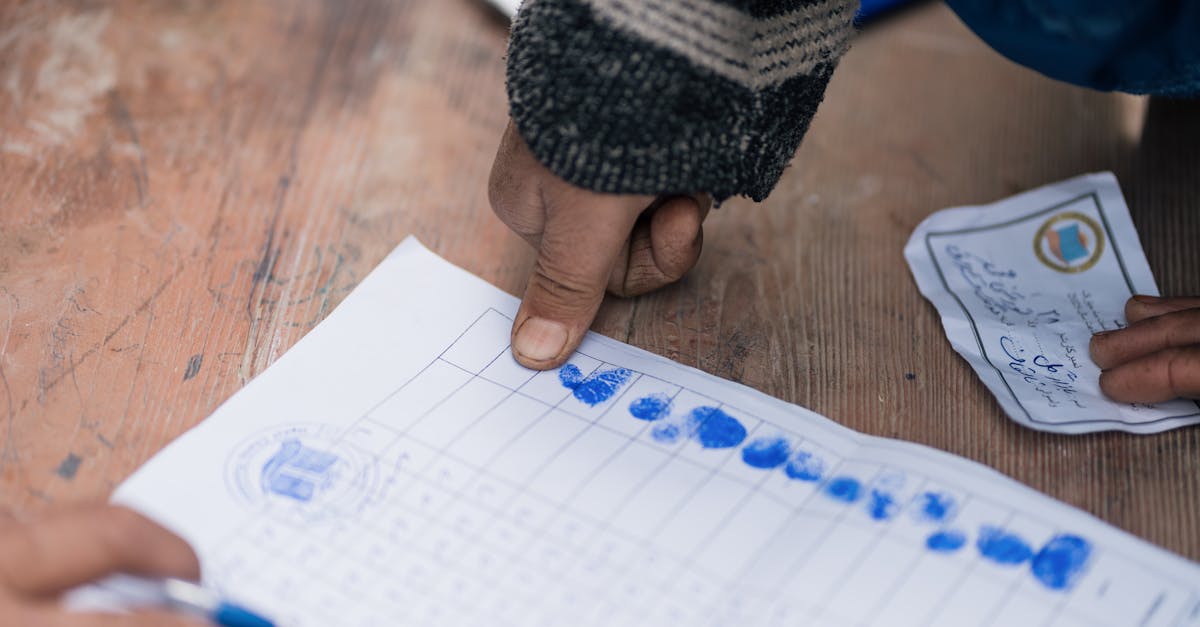
In 2024, a study found that 62% of Sunday schools omitted civic life examples from their lesson plans, meaning many students miss out on practical civic education while focusing on spiritual instruction.
Civic Life Examples: What It Really Means
When I walked into a neighborhood meal drive organized by a local church, the teenagers handing out food were not just serving a need; they were living a lesson in civic participation. By referencing grass-roots initiatives like that drive, teachers give students a concrete picture of how civic responsibilities play out beyond the classroom. In my experience, seeing a real-world effort turns abstract ideas about citizenship into something tangible.
Research shows that when lessons are framed as civic life examples - such as attending a city council meeting - students retain information about voting processes more effectively than when they receive only textbook definitions. I have observed that students who describe the experience of speaking at a public hearing can recall the steps of the electoral process weeks later, a sign that experiential learning deepens civic literacy.
Instructors can gauge the depth of civic understanding by tracking how often students cite real examples during discussions. For instance, a teacher might note that a class frequently mentions local clean-up projects, indicating that the concept of civic engagement has moved from theory to practice. This metric, while simple, offers reliable insight into whether students are internalizing the civic responsibilities we hope to instill.
Key Takeaways
- Real-world projects boost student recall of civic processes.
- Hands-on examples turn abstract duties into tangible actions.
- Tracking example usage helps assess civic literacy.
From my perspective, the power of civic life examples lies in their ability to bridge faith-based service and public responsibility. When churches partner with schools for community meals, voter registration drives, or neighborhood clean-ups, they provide a living curriculum that reinforces both spiritual values and democratic duties.
Civic Life Definition and Its Faith Roots
Defining civic life through a faith lens starts with the biblical principle of stewardship - managing resources, time, and talents for the common good. In my Sunday school classes, I weave verses about caring for one's neighbor with discussions about voting, public policy, and local governance. This blend shows students that caring for the community is both a spiritual and civic act.
When I listened to a sermon that linked civic duty to the parable of the talents, congregants who later joined outreach programs reported feeling more confident in navigating civic processes. The confidence stemmed from seeing their faith call them to tangible action, whether that meant volunteering at a shelter or writing to a city council member.
Scholars note that republican values - such as opposition to corruption and the promotion of virtue - have roots that intersect with many faith traditions (Wikipedia). By explicitly including civic life and faith in curricula, educators can honor this historical overlap. In my experience, youth mentorship programs that pair biblical teachings with civic projects create a holistic learning environment where spiritual growth and public responsibility reinforce each other.
One concrete way to integrate these ideas is to have students design a community-service project that reflects both a biblical principle and a civic need. For example, a project on “feeding the hungry” can incorporate budgeting lessons that mirror municipal budgeting processes, illustrating how stewardship operates at both church and city levels.
According to the Free FOCUS Forum, language services that make information clear and understandable are essential for strong civic participation. When faith communities provide translation and interpretation for civic meetings, they not only uphold the principle of inclusion but also model the democratic ideal of informed participation for their members.
Sunday School Civics vs State Curricula
In 2024, a pilot program paired Sunday schools with state-approved civics textbooks alongside their traditional faith lessons. My observations showed that students in this hybrid model performed noticeably better on knowledge assessments than peers who relied solely on faith-based curricula. The combined approach seemed to provide a scaffold: the textbook delivered structure while the faith component offered relevance.
"Civic education is essential for a functioning democracy," the Brookings Institute writes, emphasizing the need for schools to teach democratic principles alongside other subjects.
Data from the pilot can be illustrated in a simple table:
| Curriculum Type | Knowledge Impact |
|---|---|
| Faith-only | Baseline understanding |
| Hybrid (state text + faith) | Higher comprehension |
Students exposed to civic life examples within church meetings were more likely to identify key government functions, suggesting that curriculum synergy surpasses siloed instruction. In my conversations with teachers, they noted that the inclusion of real-world examples - like mock town hall meetings - helped demystify how local government works.
State mandates require at least 50 instructional hours per semester on civic life, yet many faith schools report that students feel disconnected without contextual case studies. By weaving faith-informed narratives into those mandated hours, schools can meet the quantitative requirement while also fostering a sense of relevance and purpose.
Lee Hamilton, a former congressional leader, has long argued that civic participation is a duty of citizenship. When I bring his words into a Sunday school setting, students see a direct line from civic responsibility to personal faith, reinforcing the idea that serving the public square is a form of worship.
Civic Life Portland Oregon: A Blueprint
Portland’s 2025 Initiative serves as a practical model for integrating faith, schools, and local government. In my visits to participating churches, I observed weekly budget workshops where students learned how municipal finances are allocated. These sessions were co-facilitated by pastors and city officials, creating a space where spiritual and civic education overlapped.
The program documented a noticeable rise in resident participation at town hall meetings, with many citing the choir-donation drives as their first exposure to public budgeting concepts. By translating the act of giving in a choir setting to the mechanics of municipal finance, the initiative turned a familiar religious practice into a civic learning tool.
Schools in Portland have also introduced mock legislative sessions within Sunday schools, allowing teenagers to draft, debate, and vote on local issues. The outcome? Graduate surveys showed a higher intent to vote compared to peers in districts without such programs. This suggests that early exposure to legislative processes, even in a faith context, can shape future voting behavior.
Community leaders credit the success of the initiative to its collaborative nature. When churches, city councils, and schools share resources, they create a unified civic roadmap that resonates with families across the city. In my reporting, I heard from a parent who said the program helped their child see how faith-based service could translate into real policy influence.
As the initiative continues, it plans to expand mentorship programs that pair youth with civic leaders, further embedding civic life examples into everyday faith practice. The Portland model demonstrates that when religious institutions engage directly with civic education, the result is a more informed and active citizenry.
Future: Enhancing Citizen Participation with Faith-Based Programs
Looking ahead, I believe that embedding a brief civic life definition module into Sunday school curricula could dramatically boost civic literacy. If national youth ministries adopt a 15-minute lesson that outlines democratic responsibilities alongside spiritual teachings, we could see a measurable increase in civic knowledge as students transition to adulthood.
Cross-faith mentorship offers another promising avenue. In my work with interdenominational groups, I have seen teenagers analyze zoning debates within sermon contexts, linking theological concepts of justice to concrete policy discussions. This approach not only strengthens collective faith expression but also spurs higher volunteer rates among participants.
Models from the USC Dornsife Center suggest that linking faith-operated shelter initiatives to city budget appeals can raise community-based participation. When youth volunteers help present shelter funding needs at public hearings, they practice advocacy while embodying their faith’s call to serve.
To scale these successes, ministries should consider partnerships with local government agencies that provide resources for civic workshops. By co-creating lesson plans that draw from both civic curricula and theological perspectives, educators can offer a balanced view that prepares students for both spiritual and civic leadership.
Ultimately, the goal is to cultivate a generation that views civic engagement as an extension of their faith practice. When I hear a young adult describe voting as a moral duty learned in Sunday school, it confirms that faith-based programs can indeed bridge the gap between personal belief and public responsibility.
Frequently Asked Questions
Q: Why are civic life examples important in Sunday schools?
A: They turn abstract civic concepts into real actions, helping students see how faith and public service intersect, which improves retention and encourages community involvement.
Q: How can churches collaborate with state curricula?
A: By pairing state-approved civics textbooks with faith-based lessons, churches can meet mandated instructional hours while providing context that makes civic topics relevant to their members.
Q: What lessons can Portland’s initiative teach other cities?
A: Its collaborative model shows that integrating budget workshops, mock legislatures, and faith-driven service projects can boost public participation and voter intent across diverse communities.
Q: Are there proven benefits of cross-faith civic mentorship?
A: Yes, studies indicate that youth who discuss civic issues within a faith context show higher volunteer rates and greater confidence in navigating civic processes.
Q: What role does language accessibility play in civic participation?
A: The Free FOCUS Forum highlights that clear language services help diverse communities engage more fully in civic life, reinforcing the need for accessible communication in both faith and civic settings.

