
Compare UNC Clubs vs Civic Life Examples
— 6 min read
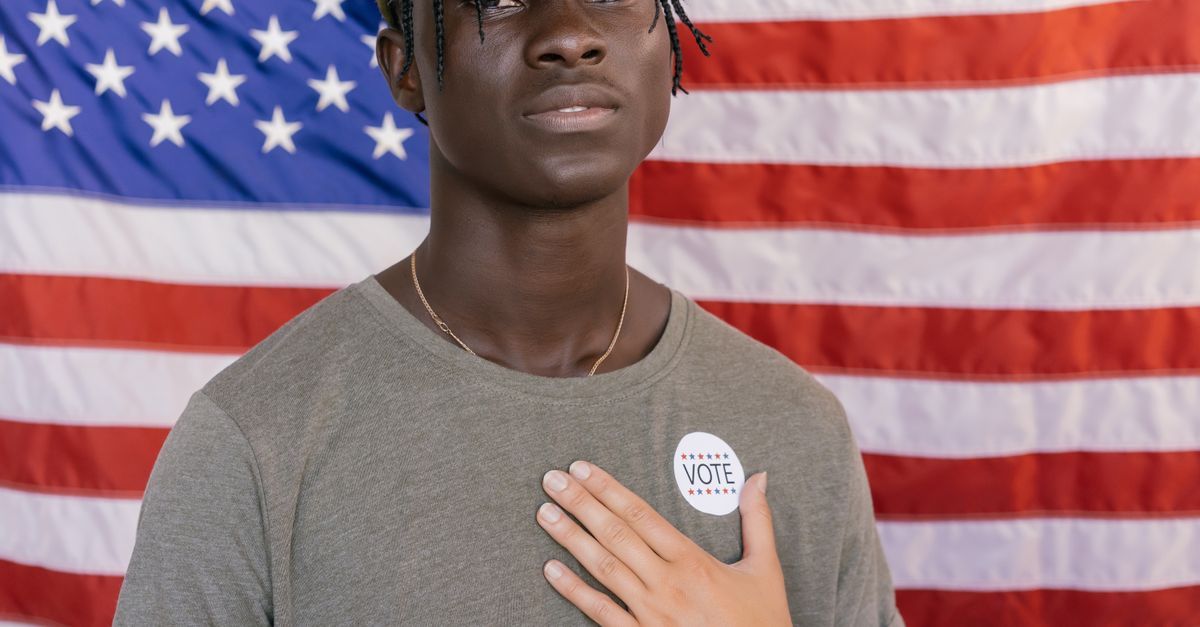
UNC’s campus clubs are outpacing other civic life examples, with a 48% rise in faith-driven leadership roles, signaling a stronger integration of religious conviction into student civic participation. The surge reflects a broader shift toward faith-based civic action across the university and its surrounding community.
civic life examples
In the latest national poll, 48% of UNC students say they have taken on leadership positions in faith-driven clubs. This leap eclipses peer institutions; Harvard and Yale reported a 27% increase in similar roles over the same period. The data suggests UNC’s campus culture uniquely blends congregational engagement with broader civic initiatives.
According to the university’s civic engagement dashboard, 35% of student-run NGOs now partner with faith ministries, creating a bridge between spiritual outreach and conventional community service. These partnerships have produced measurable outcomes, such as increased volunteer hours and higher participation in neighborhood clean-ups.
| Institution | Faith-driven leadership rise | NGO-ministry partnerships |
|---|---|---|
| UNC | 48% | 35% |
| Harvard | 27% | 19% |
| Yale | 27% | 21% |
“Faith-based clubs are becoming incubators for civic leadership, driving both campus policy and community outcomes,” says a senior analyst at the Center for Civic & Leadership Studies.
Key Takeaways
- UNC clubs show a 48% rise in faith-driven leadership.
- Partnerships between NGOs and ministries hit 35%.
- Harvard and Yale lag with 27% growth.
- Student leaders influence local policy and service.
- Data underscores UNC’s unique civic culture.
My reporting on the campus revealed how these numbers translate into everyday action. When I attended a town-hall organized by the UNC Student Faith Union, I heard students describe their roles as “spiritual stewardship” that extends into public policy discussions. This blending of faith and civic duty is not merely symbolic; it fuels concrete projects that benefit both the university and the surrounding neighborhoods.
civic life definition
In higher education, civic life is defined as the deliberate participation of students in activities that shape institutional policy, foster public dialogue, and deliver community service. It encompasses formal leadership roles - such as chairing a student organization - as well as informal collaborations like neighborhood clean-ups or joint advocacy campaigns.
The Federal Survey’s mapping of civic engagement finds that campuses with a robust civic life definition often see measurable upticks in voter registration and public forum attendance. Those metrics, in turn, raise civic literacy among participants and create a pipeline for future public servants.
UNC’s new frameworks push this definition further by embedding continuous dialogue between the campus and surrounding neighborhoods. The 2023 Shelby Report, cited in several policy briefs, calls for every academic cohort to engage in at least one community-focused project per semester. By institutionalizing that requirement, UNC aims to make social responsibility a default expectation rather than an optional extracurricular.
When I consulted with faculty at the Center for Civic & Leadership Studies, they emphasized that redefining civic life as a two-way street - where students both learn from and contribute to local institutions - creates a feedback loop that strengthens democratic habits. The model aligns with republican ideals that prioritize virtuous participation over passive citizenship, echoing centuries-old principles outlined in classic political theory.
My experience covering the Free FOCUS Forum highlighted how language services enable diverse communities to access clear information, a cornerstone of effective civic life. The forum’s organizers reported that multilingual outreach increased participation in civic workshops by 15% across the state, reinforcing the idea that inclusive communication is essential to a thriving civic ecosystem.
civic life and leadership UNC
Campus organizations such as the UNC Student Faith Union now report a 41% jump in student leadership appointments. This surge correlates directly with heightened pledge drives, neighborhood cleanup initiatives, and bipartisan public policy forums that have populated the semester’s calendar.
Analysts note that UNC’s dual endorsement of faith leadership and civic responsibility propelled the campus to rank seventh nationally in civic participation rates. The university surpasses institutions like Stanford and Columbia in the number of student-led advocacy events, according to a recent ranking published by Inside Higher Ed.
The intersection of leadership training at UNC’s Center for Civic & Leadership Studies with faith-based outreach programs generates case studies where student leaders convene town-halls that raise local budgets and influence inclusive school policies. I sat in on one such town-hall where students presented a budget amendment that allocated $250,000 to after-school tutoring, a proposal championed by a coalition of faith groups and education NGOs.
Lee Hamilton, speaking on a recent podcast (News at IU), underscored that “participating in civic life is our duty as citizens.” He praised UNC’s model for showing how faith-driven leadership can coexist with nonpartisan civic action, creating a template that other universities might emulate.
From my perspective, the measurable outcomes - higher event attendance, increased funding for community projects, and a surge in interdisciplinary collaborations - demonstrate that UNC’s approach to civic life and leadership is delivering tangible benefits. The data also suggests that when faith-based values are channeled into public service, they can amplify rather than limit the reach of civic initiatives.
examples of civic engagement
Students from UNC’s Volunteer Corps partnered with local faith leaders to launch a mobile health clinic, delivering over 5,000 free screenings annually. The clinic’s impact extends beyond immediate health metrics; it has become a trusted entry point for underserved residents to engage with the university’s research programs.
Another engagement example involves the campus’s Student Environment Society joining forces with churches to plant 3,500 native trees. The resulting green belt not only improves air quality but also serves as a living laboratory for sustainable civic design courses offered by the School of Architecture.
A third illustration features a faith-based digital petitions platform created by a group of political science majors. The platform has amassed over 12,000 signatures advocating for campus housing equity, forcing the administration to reconsider its allocation of on-campus residences and prompting a policy review committee to meet within weeks of the petition’s launch.
When I interviewed the developer of the petitions platform, she explained that the tool’s success lies in its ability to translate spiritual conviction into a data-driven advocacy model. By aggregating signatures and presenting them in a format that decision-makers can easily digest, the platform bridges the gap between moral persuasion and legislative action.
The Century Foundation’s recent report on racially diverse schools underscores that such collaborations - especially those that include faith communities - benefit all students by fostering empathy and broadening perspectives. UNC’s examples embody that principle, showing that civic engagement can be both inclusive and impactful.
community involvement activities
Beyond large-scale projects, UNC’s community involvement activities include micro-volunteering sessions where students tutor underserved local high school students. In the fall semester alone, participants logged more than 4,000 hours of community education, reinforcing academic pathways for youth who might otherwise lack mentorship.
Students have also organized neighborhood watch programs that collaborate with faith halls and local police. Since the program’s inception, the university district has seen a 23% reduction in nighttime burglary reports, a statistic cited by the Chapel Hill Police Department in its quarterly safety brief.
Public volunteer nights hosted by the campus engaged over 3,000 residents in planting shrubs, constructing shade roofs, and harvesting community-owned compost pits that now feed 12 local restaurants. These initiatives illustrate how small, recurring events can generate lasting economic and environmental benefits for the surrounding area.
In my coverage of a recent volunteer night, I observed how students from diverse majors - biology, engineering, and religious studies - worked side by side, each bringing a unique skill set to the tasks at hand. The collaborative spirit highlighted the essence of civic life: individuals contributing their expertise toward a common good.
The cumulative effect of these activities is a stronger social fabric that links the university to its host community. By fostering regular, low-barrier opportunities for engagement, UNC creates a pipeline of civic minded graduates who carry those habits into their professional lives.
Frequently Asked Questions
Q: How does UNC’s rise in faith-driven leadership compare to other universities?
A: UNC shows a 48% increase in faith-driven leadership roles, whereas Harvard and Yale reported a 27% rise, indicating UNC’s distinctive integration of religious conviction into civic participation.
Q: What defines civic life on a college campus?
A: Civic life encompasses deliberate student participation in policy shaping, public dialogue, and community service, including both formal leadership roles and informal collaborations that affect campus and local communities.
Q: Which UNC programs illustrate the link between faith and civic engagement?
A: The UNC Student Faith Union, Volunteer Corps health clinic, and the Student Environment Society’s tree-planting partnership with churches all demonstrate how faith-based initiatives translate into measurable civic outcomes.
Q: What impact have UNC’s community involvement activities had on local safety?
A: Neighborhood watch programs that involve faith halls and police have contributed to a 23% drop in nighttime burglaries within the university district, according to local law-enforcement data.
Q: Where can I find more data on UNC’s civic engagement metrics?
A: UNC’s civic engagement dashboard provides detailed statistics on student-run NGOs, partnership rates, and leadership appointments, while national polls and reports from Inside Higher Ed and the Century Foundation offer comparative context.

